Language
  EN
EN RU
RU ES
ES DE
DE EL
EL IT
IT JA
JA KO
KO PT
PT ID
ID SR
SR UK
UK VI
VI TH
TH TR
TR MS
MS BE
BE AR
ARCommon Diesel Injector Faults: How Test Benches Detect Them Quickly
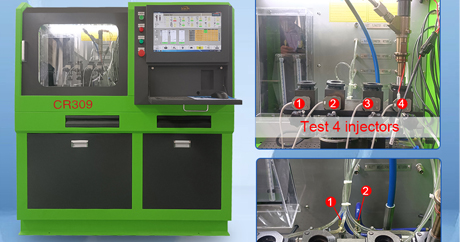
Diesel injectors are prone to a variety of faults, from clogged nozzles to faulty solenoids. These faults cause symptoms like rough idling, power loss, increased fuel consumption, and excessive smoke—but identifying which injector is faulty and why can be challenging. That’s where a diesel injector test bench comes in: it can detect even the most subtle faults quickly and accurately, allowing you to repair the injector and get the engine running smoothly again.
### Fault 1: Clogged Nozzle
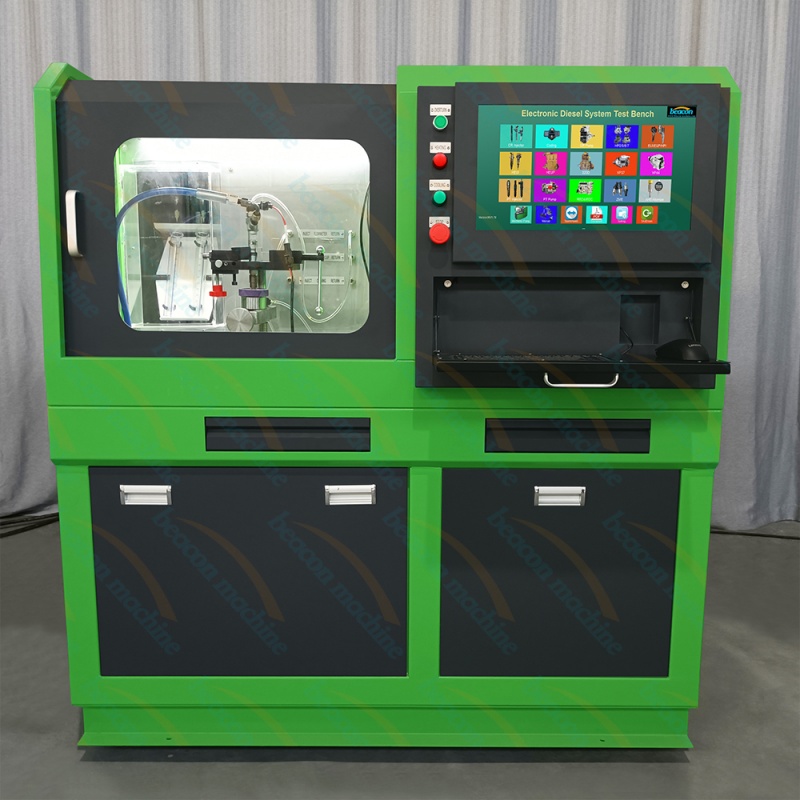
A clogged nozzle is one of the most common injector faults, caused by fuel contamination, carbon buildup, or poor fuel quality. Symptoms include uneven spray pattern, reduced fuel flow, and incomplete combustion (black smoke from the exhaust). Manual testing may show a weak spray, but it can’t measure the uniformity of the spray or the exact flow rate. A test bench simulates real-world pressure, allowing you to see the spray pattern clearly and measure the flow rate—confirming a clogged nozzle. Once cleaned, the test bench verifies that the spray pattern and flow rate are back to specifications.
### Fault 2: Faulty Solenoid (Electronic Injectors)
Electronic injectors rely on a solenoid to control fuel delivery. A faulty solenoid (open or shorted) can cause the injector to fail to open, open too slowly, or stay open—leading to misfiring, hard starting, or excessive fuel consumption. Manual testing with a multimeter can check solenoid resistance, but it can’t test the solenoid’s response time or ability to open under pressure. A test bench sends electrical signals to the solenoid, simulating engine conditions, and measures its response time—identifying a faulty solenoid quickly.
### Fault 3: Leaking Injector
A leaking injector (from worn seals or a faulty valve) allows fuel to leak when it’s not supposed to, leading to low fuel pressure, poor performance, and fuel waste. Manual testing may detect large leaks, but small leaks are often missed. A test bench pressurizes the injector and measures leakage rates—identifying even small leaks that would otherwise go undetected. Repairing the leak (replacing seals or valves) and retesting on the bench ensures the injector is sealed properly.
### Fault 4: Incorrect Injection Timing
Incorrect injection timing (fuel injected too early or too late) causes poor engine performance, increased emissions, and accelerated component wear. Manual testing can’t accurately measure injection timing, but a test bench simulates engine speed and measures the exact timing of fuel delivery—identifying timing issues and allowing you to adjust the injector accordingly.
### The Bottom Line
Diesel injector faults are common, but diagnosing them accurately doesn’t have to be difficult. A test bench detects even the most subtle faults quickly and reliably, allowing you to repair injectors faster, reduce rework, and deliver better results to your customers. For repair shops and fleet managers, a test bench is the most efficient way to diagnose and repair injector faults.
Ready to choose the right diesel test bench for your workshop?
Contact us today for a quote and expert advice:
Related products
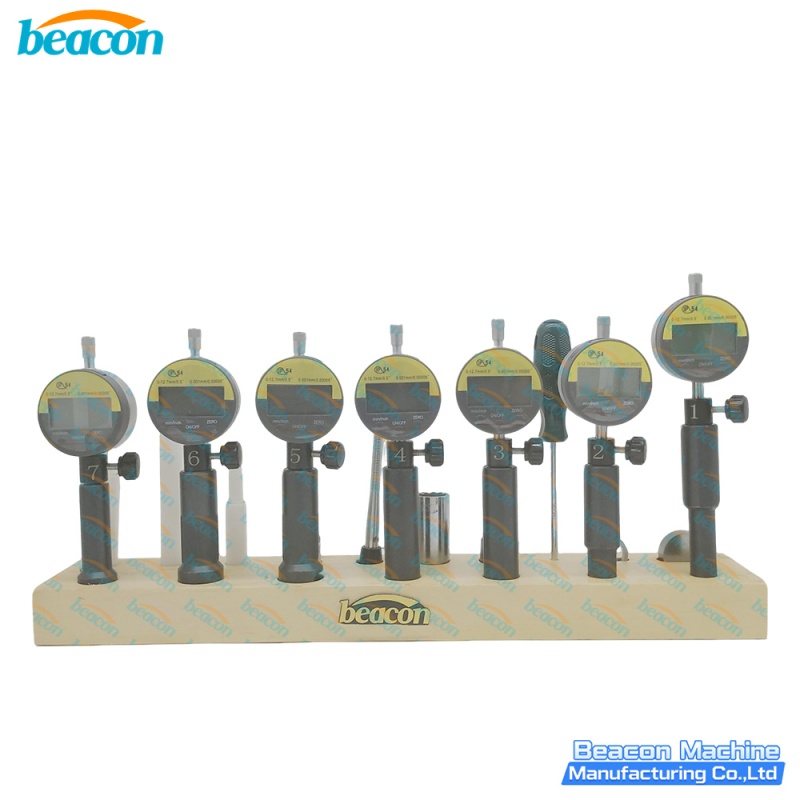
G6-17 Common Rail Injector Multi-Dial Indicator Solenoid Valve Stroke Measuring Tool Kit
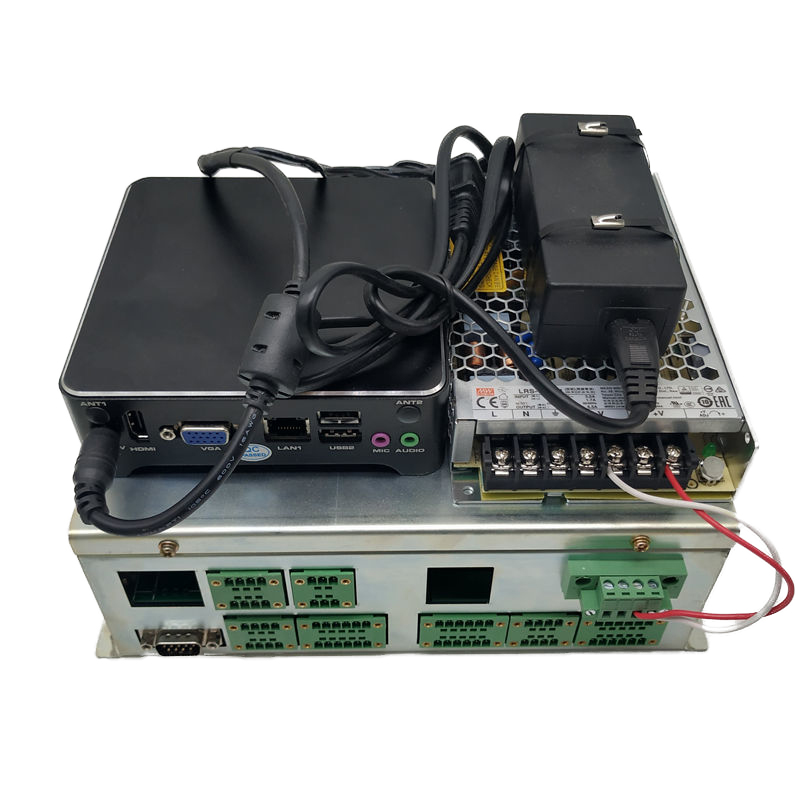
CRS960 Professional Common Rail Injector Control and Diagnostic System
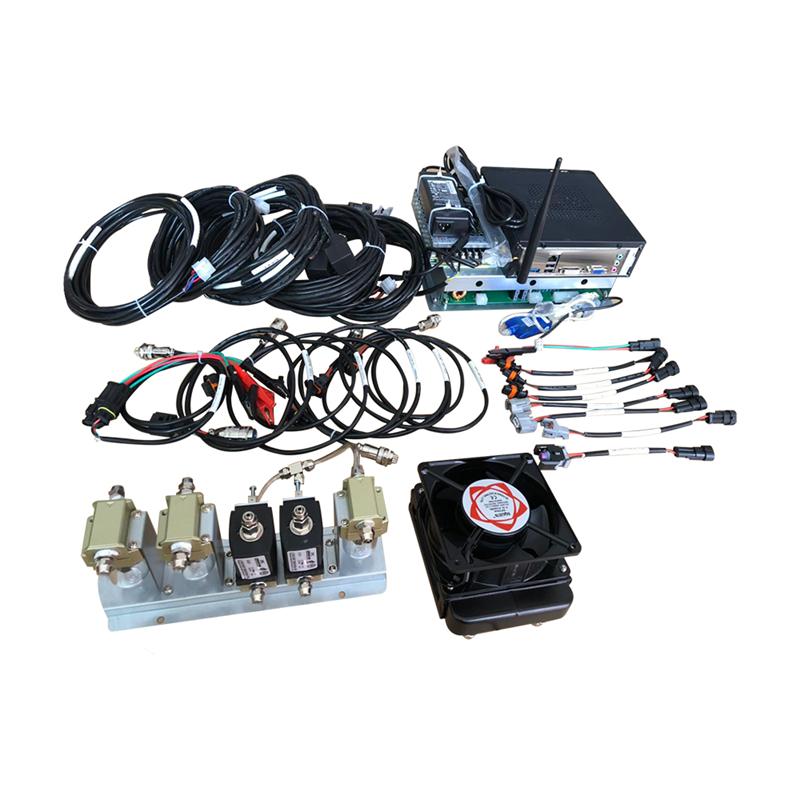
BEI-A Multifunctional Diesel System Tester for Common Rail Injector, Pump, and EUI/EUP Coding
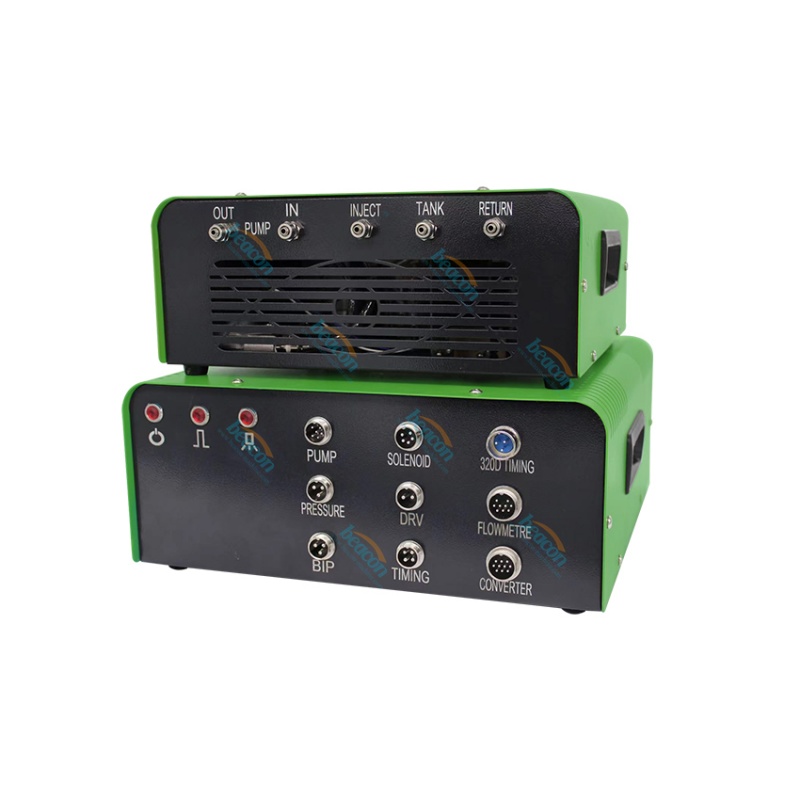
BEI-C Multifunctional Diesel System Tester for Common Rail Injector, Pump, and EUI/EUP Coding
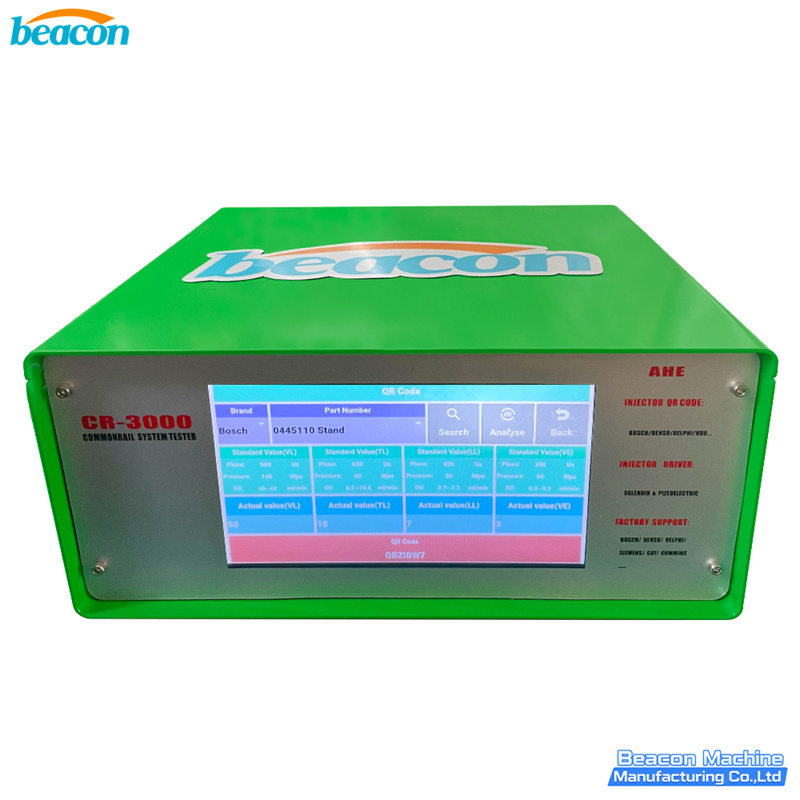
CR3000 Common Rail Injector and Pump Test Bench
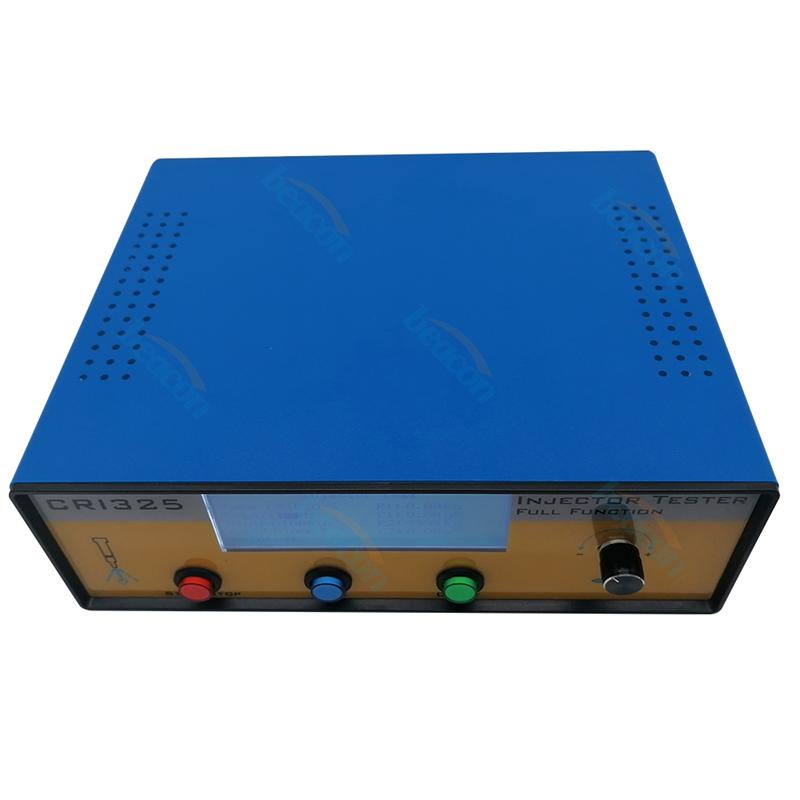
CRI325 Dual-Channel Full-Function Common Rail Injector Tester for Solenoid and Piezo
 Beacon Machine Manufacturing Co.,ltd.
 about beacon
PRODUCTS
contact us
TEL: 0086-18253885138
WhatsApp:+86-18253885138
Email: Janechen@beacon-machine.com
Add: High Tech Industry Zone of East Tai an city,Shandong Province,China