Language
  EN
EN RU
RU ES
ES DE
DE EL
EL IT
IT JA
JA KO
KO PT
PT ID
ID SR
SR UK
UK VI
VI TH
TH TR
TR MS
MS BE
BE AR
ARHow Test Bench Testing Extends Diesel Injector and Pump Lifespan
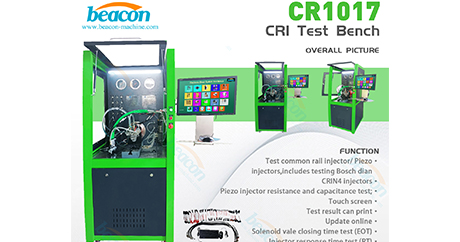
Diesel injectors and fuel pumps are expensive components, and replacing them can cost hundreds or even thousands of dollars. But with regular test bench testing, you can extend their lifespan, reduce replacement costs, and keep your diesel engine running smoothly for years to come. Test bench testing isn’t just for diagnosing faults—it’s a preventive maintenance tool that catches small issues before they become major problems.
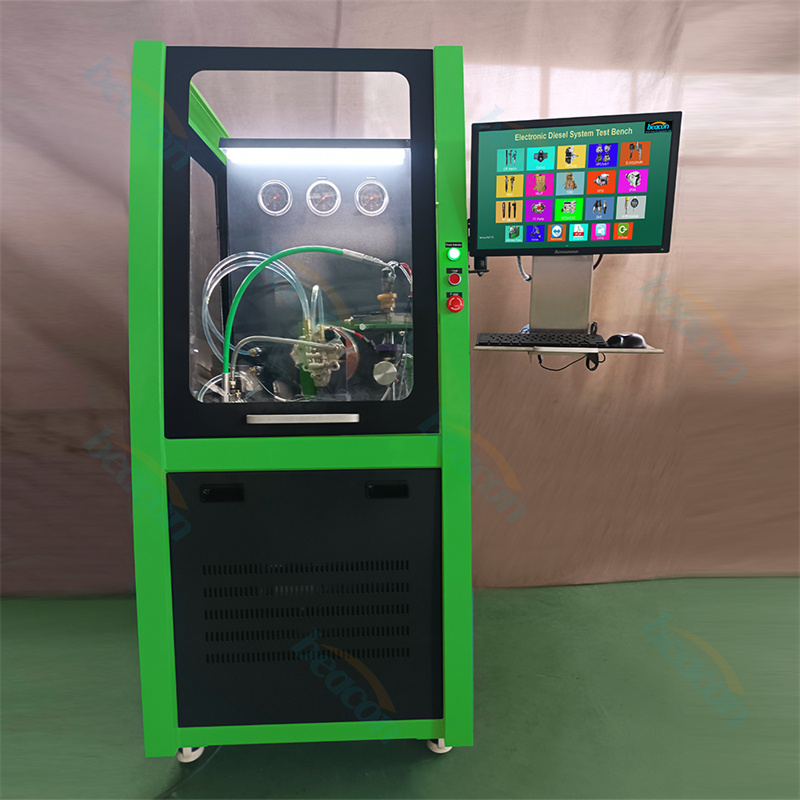
### How Test Bench Testing Prevents Premature Failure
Diesel injectors and pumps fail prematurely for a variety of reasons: contamination, wear, incorrect timing, and poor maintenance. Many of these issues start small—e.g., a partially clogged injector nozzle, a slightly worn pump plunger—and get worse over time. Manual inspections often miss these small issues, but a test bench can detect them early, allowing you to repair them before they cause serious damage.
For example, a test bench can detect a clogged injector nozzle that’s causing uneven fuel atomization. If left unaddressed, this issue would lead to incomplete combustion, carbon buildup, and eventually injector failure. But with test bench testing, you can clean the nozzle, verify performance, and prevent further damage—extending the injector’s lifespan by years.
Similarly, a test bench can detect a worn pump plunger that’s delivering inconsistent fuel pressure. This issue would lead to poor engine performance, increased fuel consumption, and eventually pump failure. By testing the pump regularly, you can identify the worn plunger, replace it, and calibrate the pump—saving you the cost of a full pump replacement.
### The Benefits of Regular Test Bench Testing
Regular test bench testing for diesel injectors and pumps offers numerous benefits:
- Extends component lifespan by catching small issues early.
- Reduces replacement costs by avoiding premature failure.
- Improves fuel efficiency by ensuring optimal injector and pump performance.
- Reduces emissions by ensuring proper fuel atomization and combustion.
- Minimizes downtime by preventing unexpected failures.
For fleet managers, regular test bench testing is especially valuable. It allows you to schedule maintenance during off-hours, reducing unplanned downtime and keeping your fleet operational. For individual vehicle owners, it’s a cost-effective way to protect their investment and avoid costly repairs.
### How Often Should You Test Injectors and Pumps?
The frequency of test bench testing depends on the vehicle’s usage and the manufacturer’s recommendations. For commercial vehicles (trucks, buses, construction machinery), we recommend testing injectors and pumps every 100,000 miles or 1,000 operating hours. For personal vehicles, testing every 150,000 miles is sufficient. If you notice any symptoms of injector or pump issues (rough idling, power loss, increased fuel consumption), test them immediately.
Test bench testing is an investment in the longevity of your diesel engine. By catching small issues early and ensuring optimal performance, you can extend the lifespan of your injectors and pumps, reduce costs, and keep your engine running smoothly.
Related products
 Beacon Machine Manufacturing Co.,ltd.
 about beacon
PRODUCTS
contact us
TEL: 0086-18253885138
WhatsApp:+86-18253885138
Email: Janechen@beacon-machine.com
Add: High Tech Industry Zone of East Tai an city,Shandong Province,China