Language
  EN
EN RU
RU ES
ES DE
DE EL
EL IT
IT JA
JA KO
KO PT
PT ID
ID SR
SR UK
UK VI
VI TH
TH TR
TR MS
MS BE
BE AR
ARTest Bench vs Manual Testing for Diesel Injectors: Which Is Better?
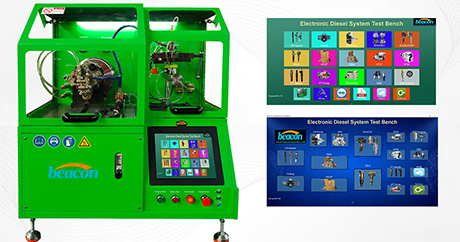
Test Bench vs Manual Testing for Diesel Injectors: Which Is Better?
When it comes to testing diesel injectors, there are two main methods: manual testing (using basic tools like multimeters and spray bottles) and test bench testing(using specialized equipment to simulate real-world conditions). While manual testing may seem cheaper and faster upfront, it often leads to misdiagnosis, wasted parts, and unhappy customers. In contrast, test bench testing delivers accuracy, reliability, and long-term savings—making it the better choice for serious repair shops and fleet managers.
### The Limitations of Manual Testing
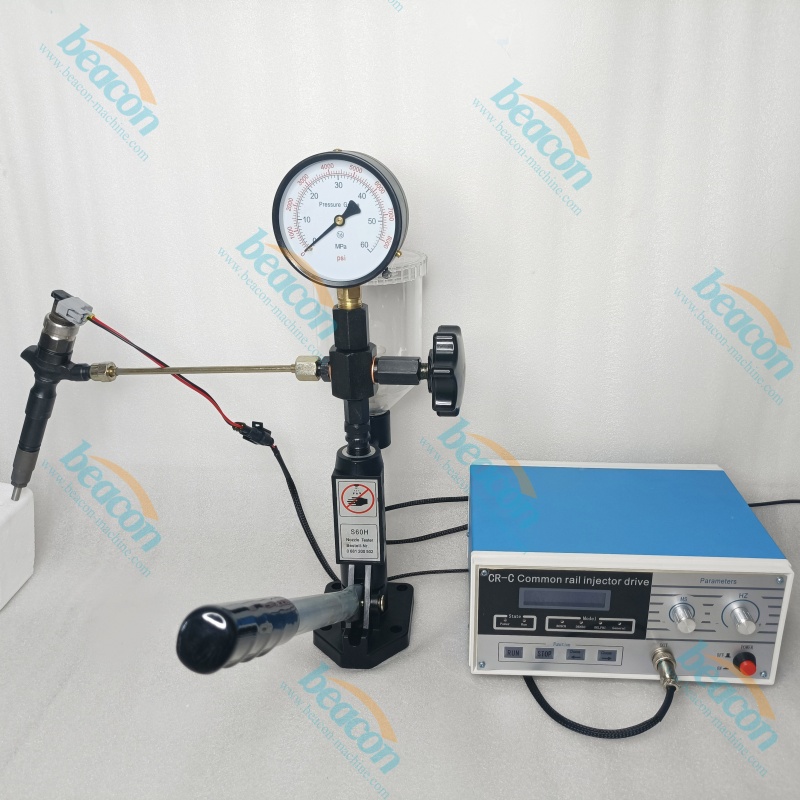
Manual testing methods are limited in what they can detect. For example, checking injector solenoid resistance with a multimeter can tell you if the solenoid is open or shorted, but it can’t detect a partially clogged nozzle or inconsistent spray pattern. Visualizing spray pattern with a simple tool (like a piece of cardboard) can show obvious issues, but it can’t measure the uniformity of the spray or the exact fuel flow rate.
These limitations often lead to misdiagnosis. For example, a technician may replace an injector because a manual test suggests it’s faulty, only to find that the real issue is a clogged fuel filter or a faulty fuel pump. This wastes time, money, and parts, and it damages the shop’s reputation for reliability.
### The Advantages of Test Bench Testing
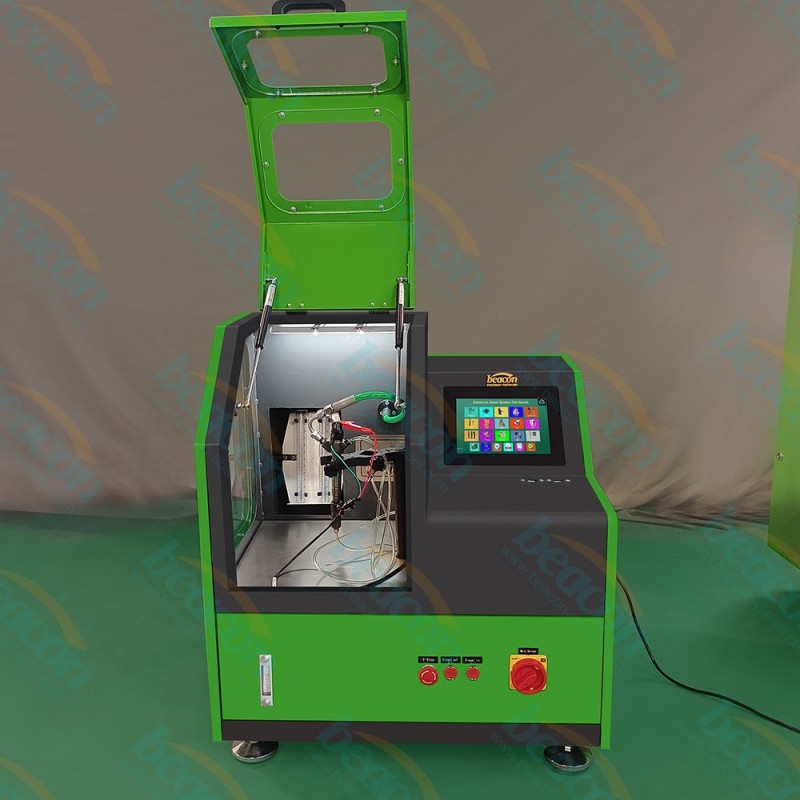
A professional diesel injector test bench solves these problems by simulating real-world engine conditions. It measures:
- Spray pattern (uniformity, atomization, angle)
- Injection pressure (peak pressure, hold pressure, leakage)
- Fuel flow rate (per injection, per minute)
- Injection timing (for timed injectors)
- Solenoid response (for electronic injectors)
This level of accuracy allows technicians to identify even the most subtle faults, such as a nozzle that’s partially clogged or a valve that’s leaking. It also allows them to verify repairs—cleaning an injector and retesting it on the bench to ensure it meets manufacturer specifications before reinstalling it in the engine.
### The Bottom Line
Manual testing is suitable for basic checks, but it’s not reliable for diagnosing complex injector issues. For repair shops that want to deliver accurate, reliable repairs, reduce rework, and build customer trust, a test bench is a must. While it requires an upfront investment, the long-term savings in time, parts, and customer loyalty make it well worth it.
Related products
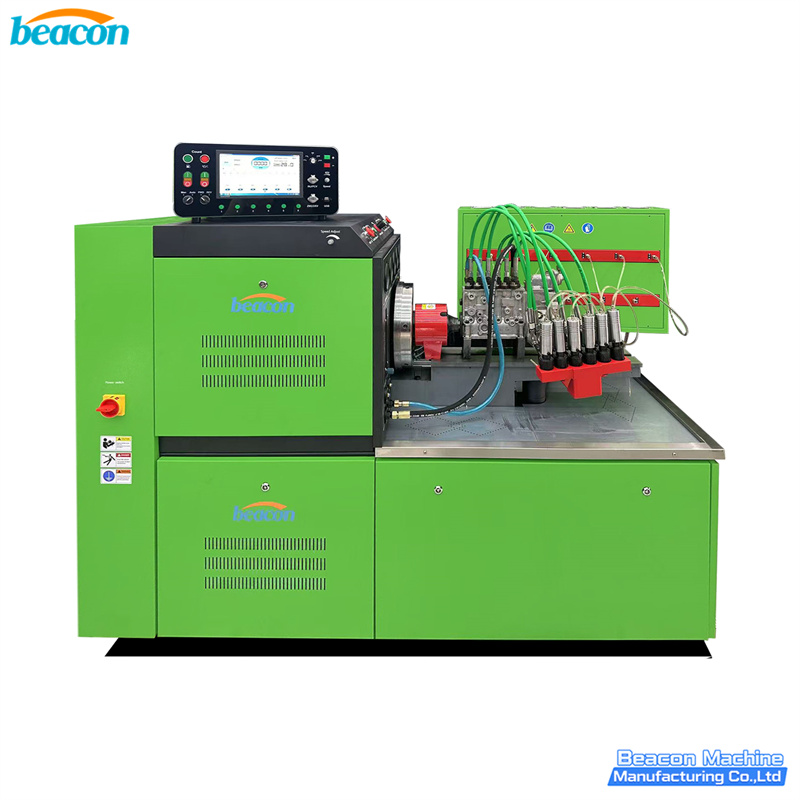
ES816 Diesel Injection Pump Test Bench
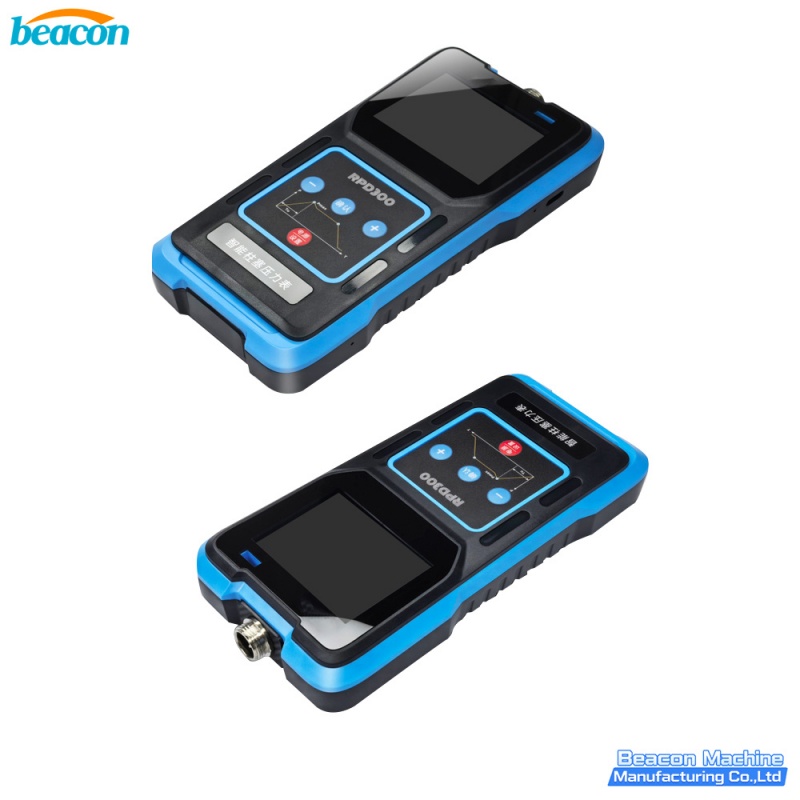
Diesel Injection Pump Plunger Pressure Tester Gauge Fuel System Smart Digital Pressure Diagnostic Tool RPD300
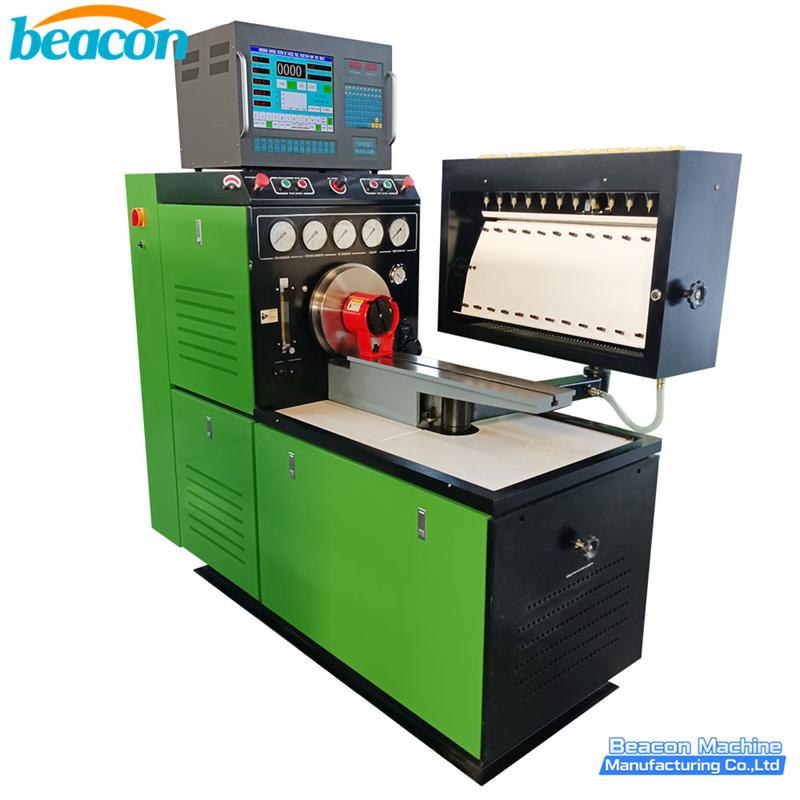
BC4000 Industrial Diesel Fuel Injection Pump Test Bench with CRT Display
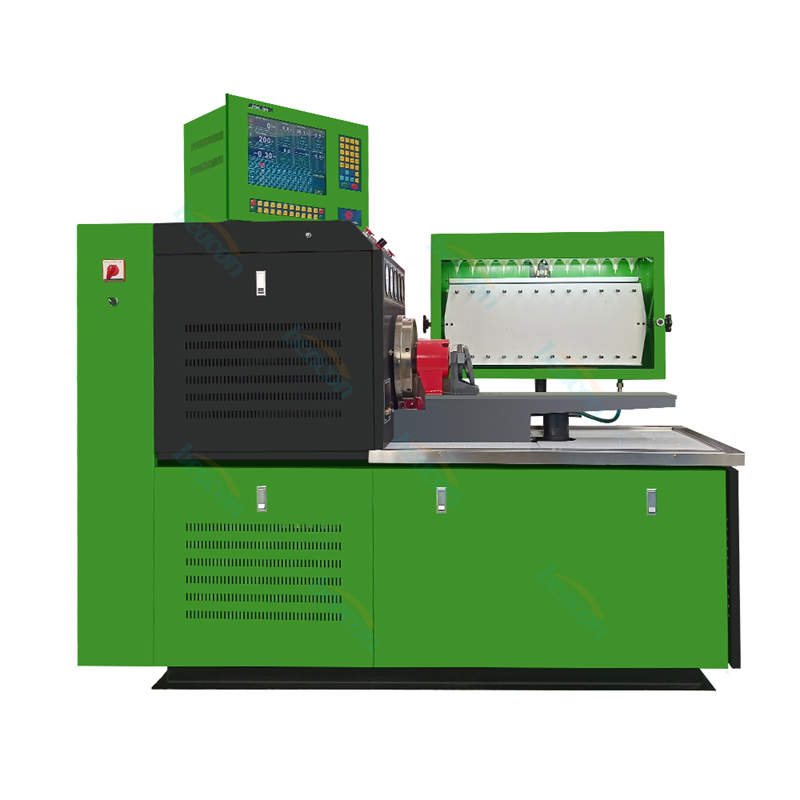
BCS619 Diesel Fuel Injection Pump Test Bench for 12-Cylinder Pumps
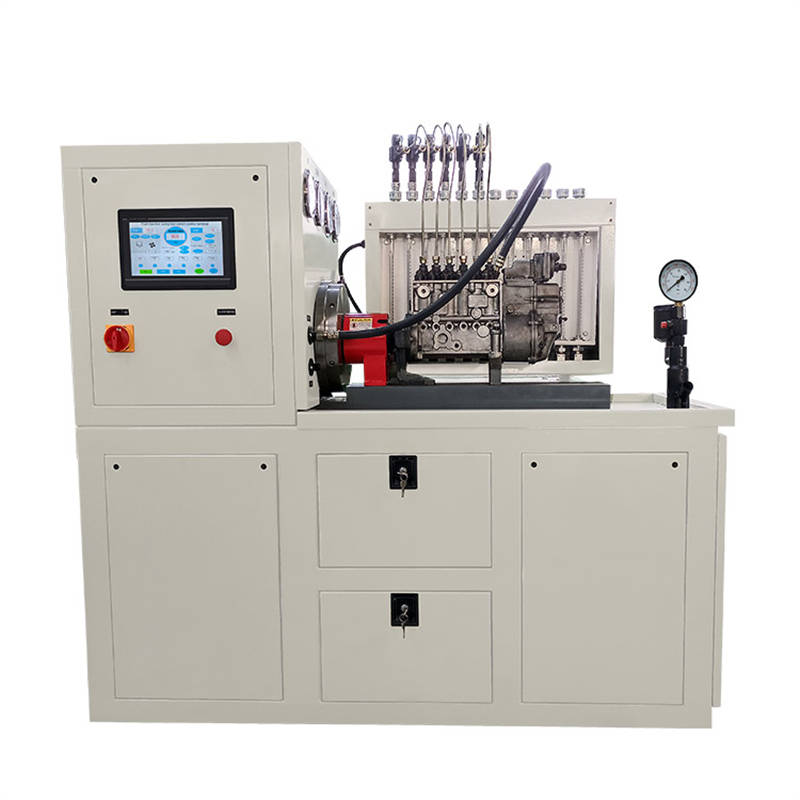
12PSD High-End Diesel Fuel Injection Pump Test Bench with Touch Screen Control
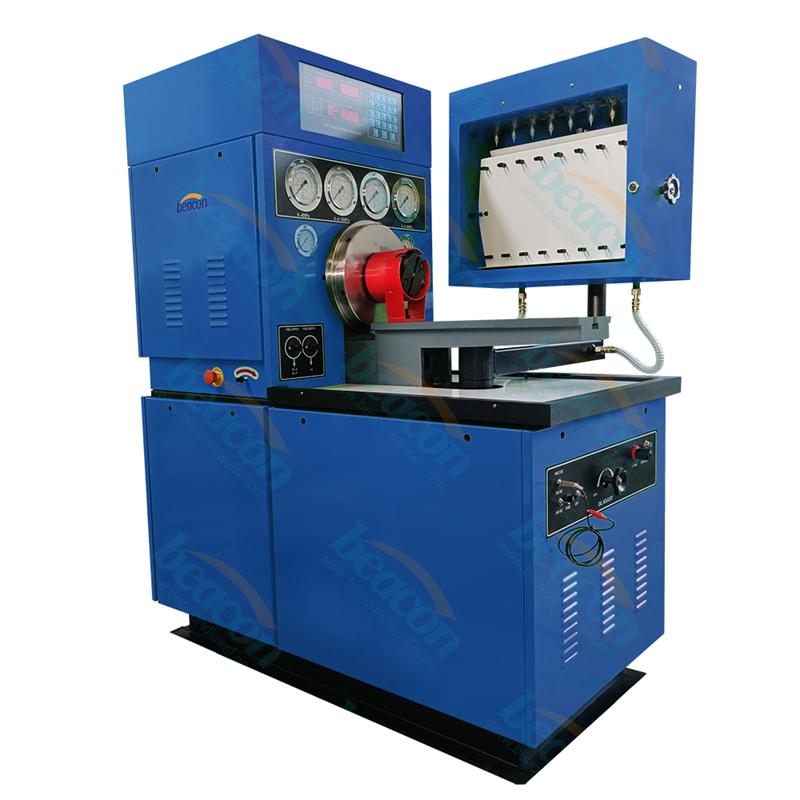
MINI 12PSB Series Diesel Fuel Injection Pump Test Bench with Frequency Conversion
 Beacon Machine Manufacturing Co.,ltd.
 about beacon
PRODUCTS
contact us
TEL: 0086-18253885138
WhatsApp:+86-18253885138
Email: Janechen@beacon-machine.com
Add: High Tech Industry Zone of East Tai an city,Shandong Province,China