Language
  EN
EN RU
RU ES
ES DE
DE EL
EL IT
IT JA
JA KO
KO PT
PT ID
ID SR
SR UK
UK VI
VI TH
TH TR
TR MS
MS BE
BE AR
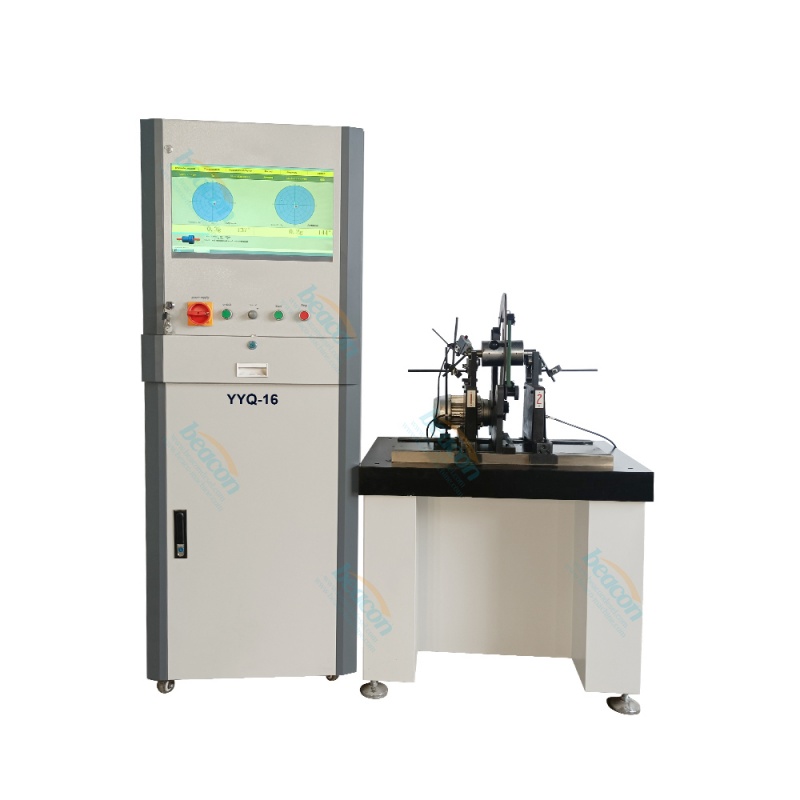
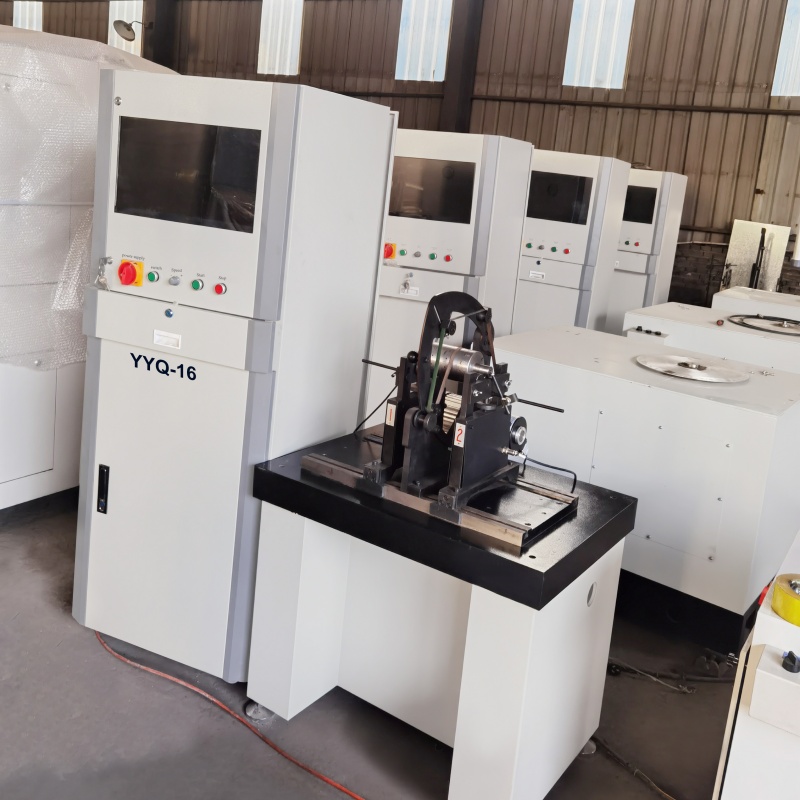
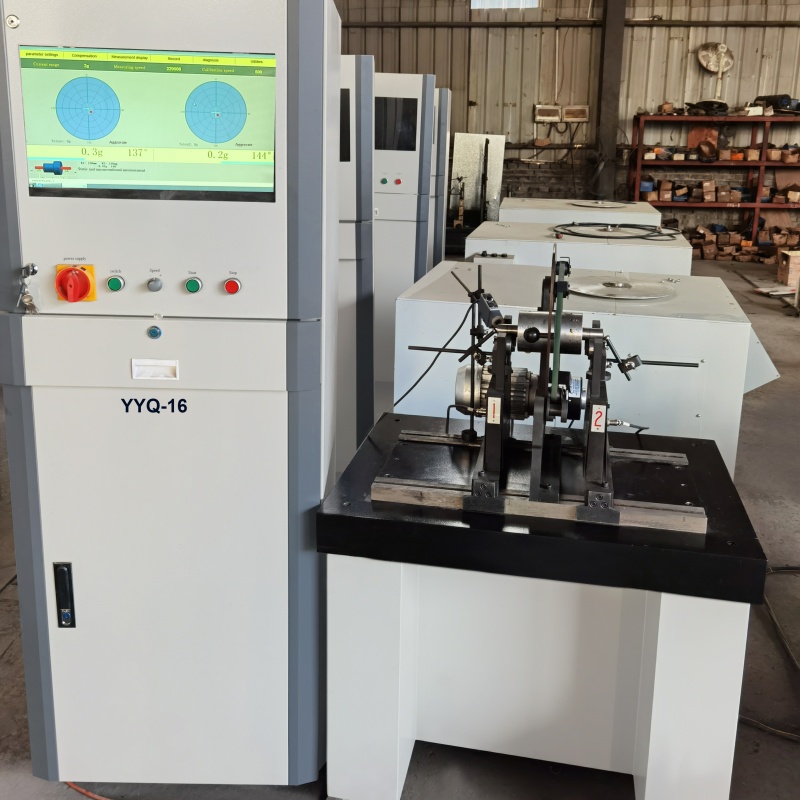
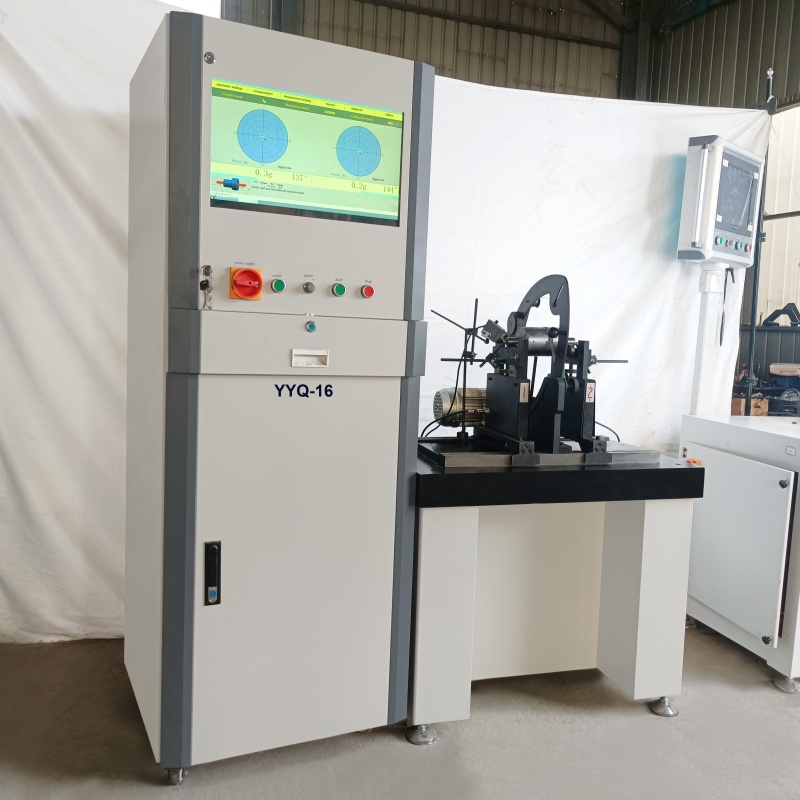
ARYYQ-16 General Horizontal Hard Bearing Dynamic Balancing Machine
Click the WhatsApp button to chat, or leave a message, and we will contact you within 12 hours.
Details
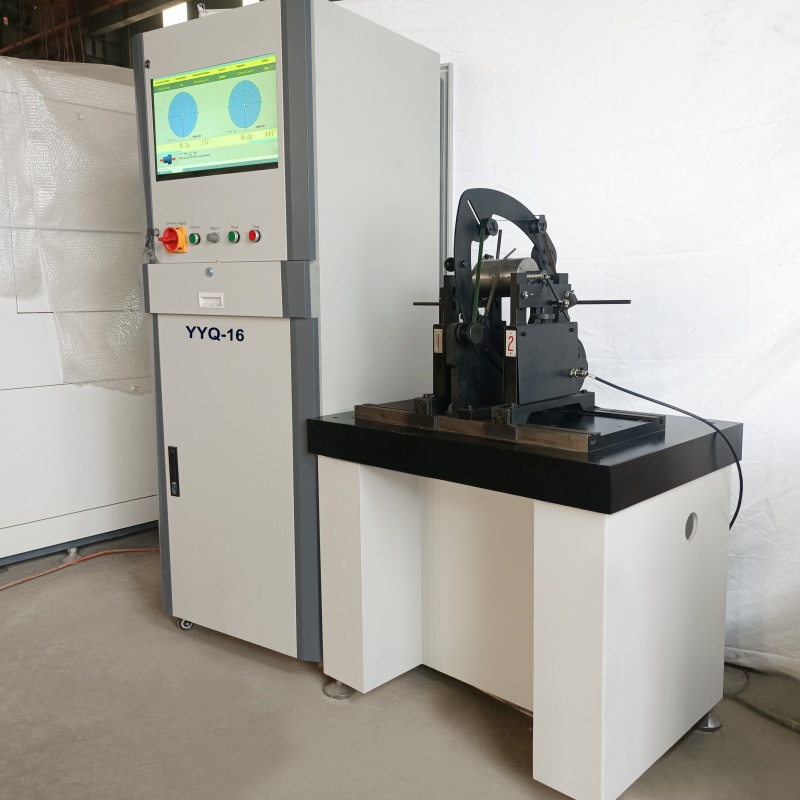
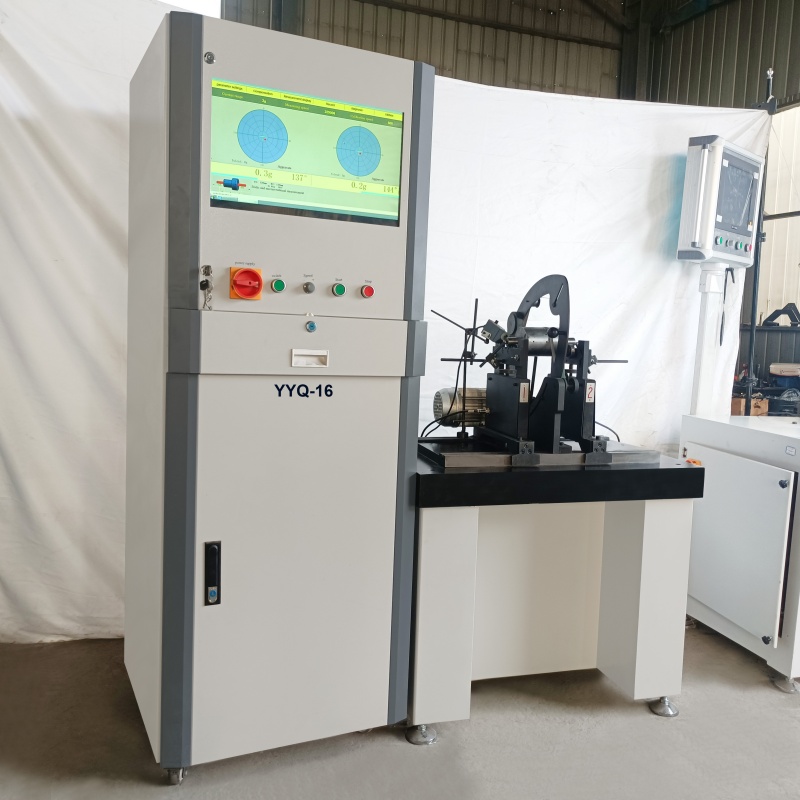
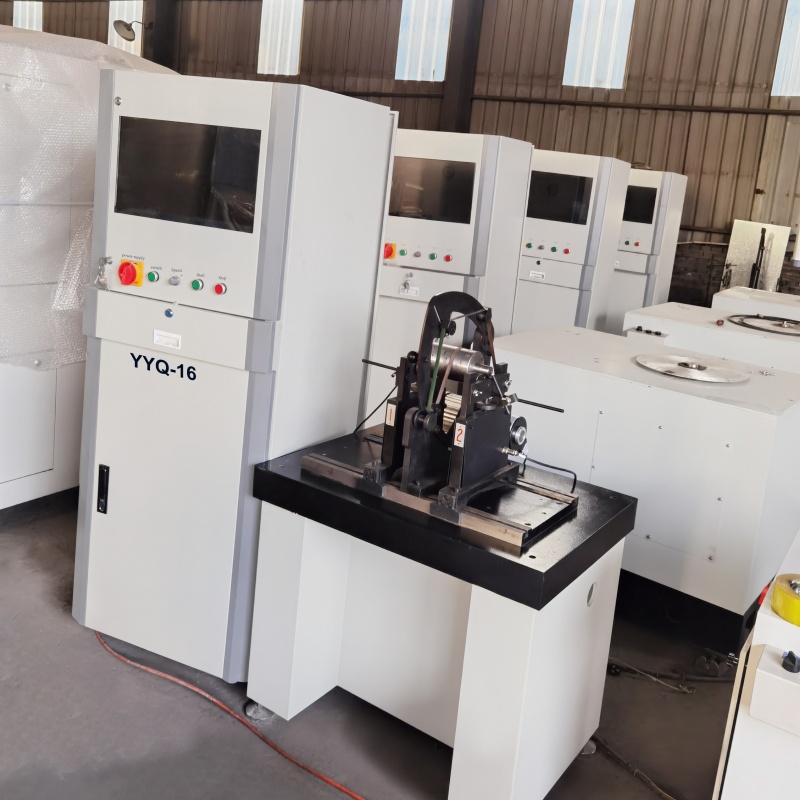
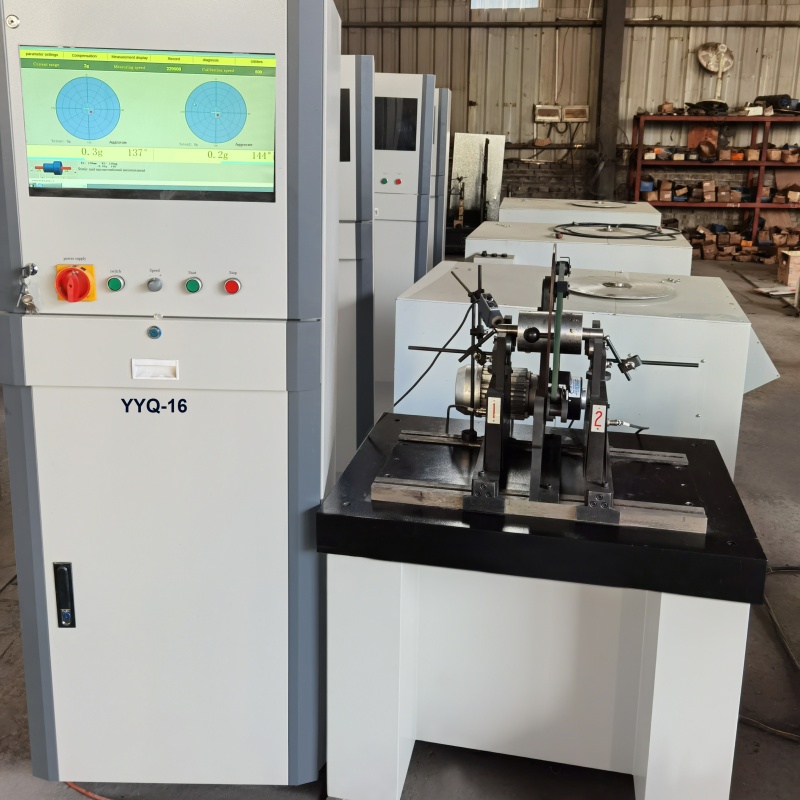
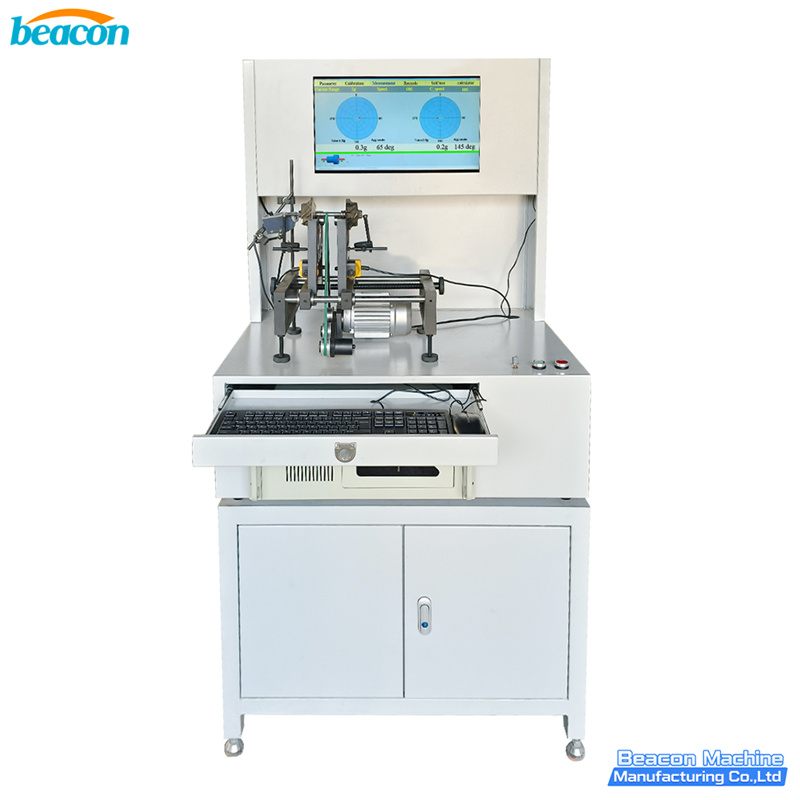
YYQ-16 General Horizontal Hard Bearing Dynamic Balancing Machine
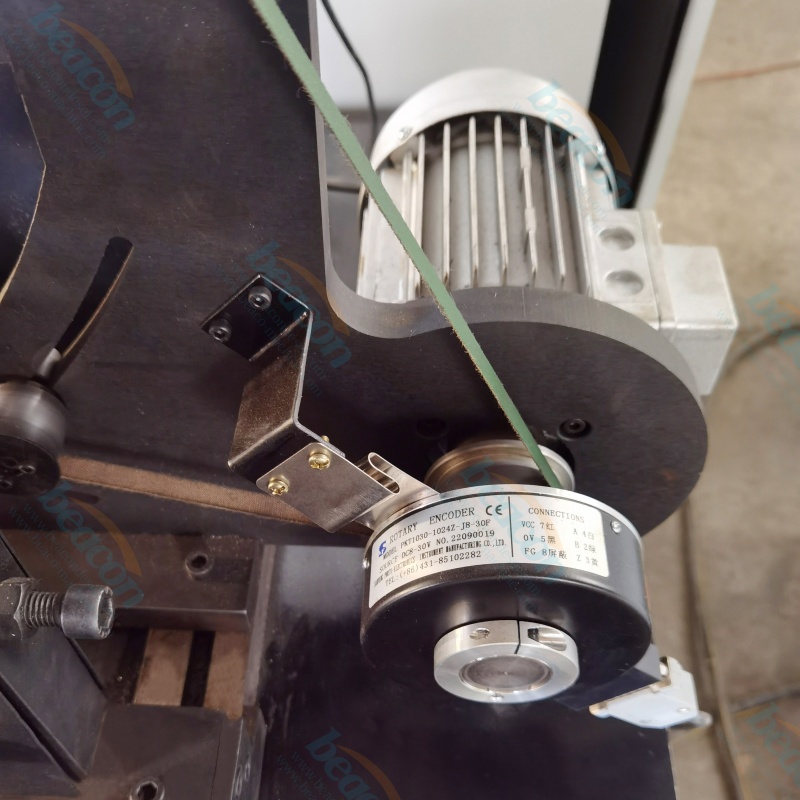
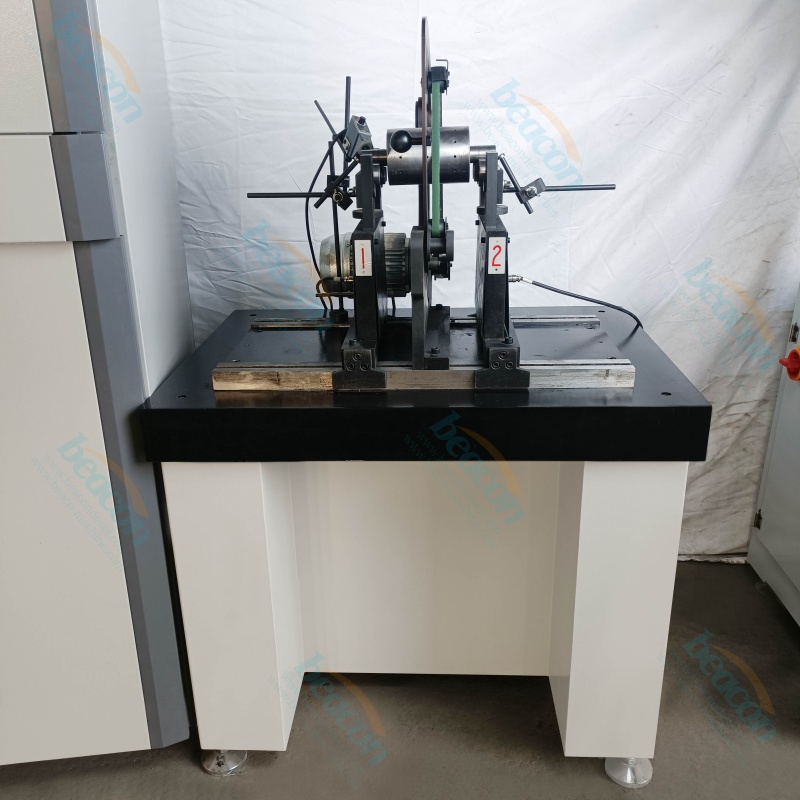
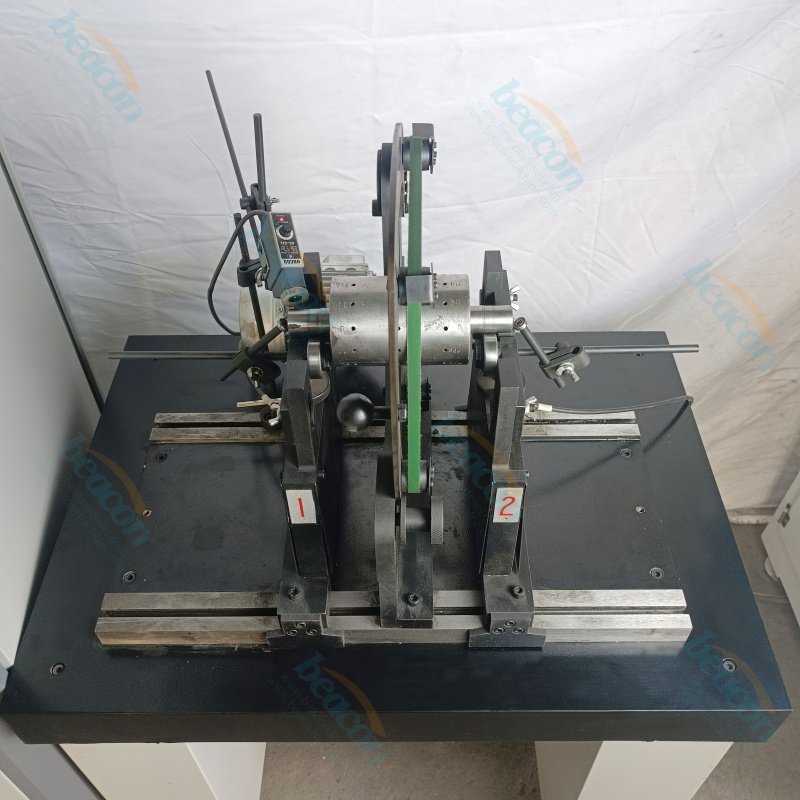
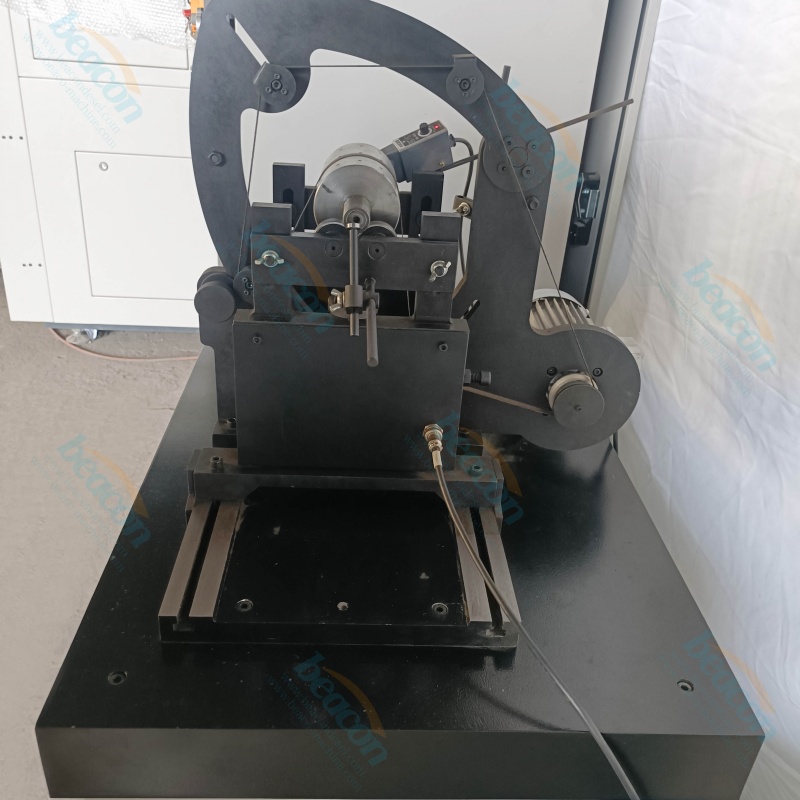
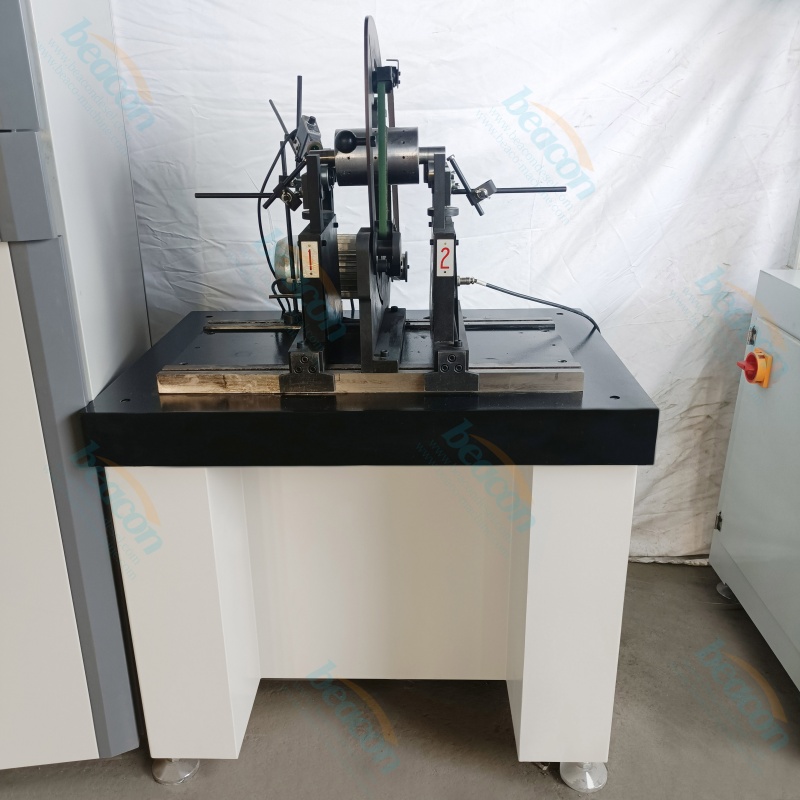
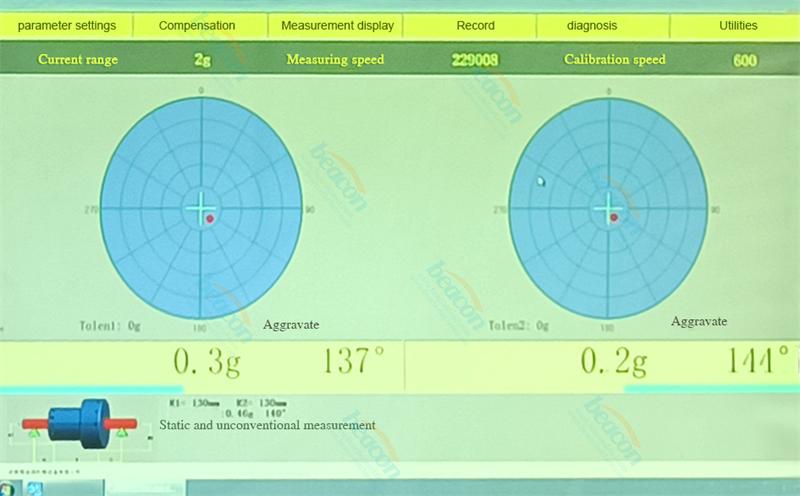
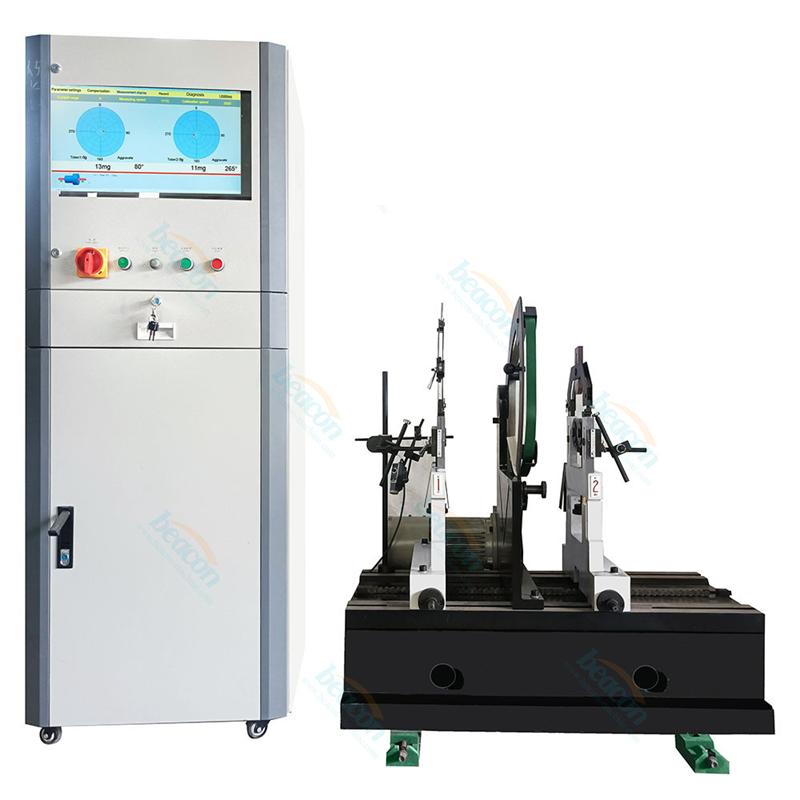
The YYQ-16 Series is a premium hard-support horizontal dynamic balancing machine engineered for industrial-grade precision. Featuring a robust integrally cast lathe bed and roller bearing supports, this machine utilizes a gimbal coupling drive to handle rotors with high efficiency. Controlled by the GB-2000 universal microcomputer system on a Windows platform, it provides real-time display of unbalance value, phase angle, and rotation speed. It is widely used in industries such as electric motors, blowers, diesel engines, and agricultural machinery, supporting single-side, double-side, and multiple correction plane measurements for both axle plate and overhanging rotors.
Balancing Applications Across Industries
Engineered for production workshops, repair shops, and remanufacturing lines, the balancing platform supports turbocharger rotors, micro-motor armatures, fan impellers, pump impellers, and various high-speed rotating parts. Hard-bearing and soft-bearing configurations cover light to heavy workpieces.
Hard-Bearing and Soft-Bearing Technology
Hard-bearing balancing operates at or below the first resonance of the suspension, providing high stability and tolerance for heavy workpieces. Soft-bearing balancing runs above resonance with higher sensitivity, ideal for lightweight rotors and small high-speed components such as turbocharger cores.
Universal Joint Drive and Gimbal Drive
Universal joint drive enables accurate balancing of long shafts and irregular workpieces by transmitting rotation through flexible couplings. Gimbal drive supports a wider range of rotor geometries including pulleys, flywheels, and multi-stage impellers.
Precision Measurement and Unbalance Reduction
Calibrated measuring instrumentation achieves residual unbalance levels of typically ≤1 g.mm/kg, with unbalance reduction ratio ≥95 percent. Real-time display of magnitude and phase supports single-plane and dual-plane correction.
FAQ — Frequently Asked Questions
Q1. What is the difference between hard-bearing and soft-bearing balancing?
Hard-bearing operates below the first suspension resonance and offers greater stability for heavier rotors. Soft-bearing operates above resonance and provides higher sensitivity for lightweight components such as turbocharger cores.
Q2. Which drive method suits long shafts and irregular rotors?
Universal joint drive and gimbal drive handle long shafts, pulleys, and irregular geometries. Belt drive is typically used for compact lightweight rotors.
Q3. What workpiece mass range is supported?
The platform covers a wide mass range from sub-kilogram rotors up to heavy industrial workpieces depending on the model selected.
Q4. Can the balancing speed be adjusted during testing?
Yes. Balancing speed is continuously variable across the supported RPM range to match the rotor design and weight distribution.
Q5. What is the typical unbalance reduction ratio?
Unbalance reduction ratio of 95 percent or higher is achievable under standard calibration conditions, with residual unbalance typically below 1 g.mm/kg.
YYQ-16 General Horizontal Hard Bearing Dynamic Balancing Machine Advantage
Hard Support Stability: The hard-bearing design coupled with an integrally cast machine bed ensures high rigidity, long service life, and excellent measurement repeatability.
Gimbal Coupling Drive: Provides reliable power transmission and high torque, making it suitable for rotors where a belt drive might slip or is not applicable.
Advanced Measuring System: Powered by the GB-2000 microcomputer system with a Windows interface, offering intuitive real-time data tracking and simulation benchmark signals.
High Versatility: Perfectly suited for balancing motor armatures, fan impellers, crankshafts, and textile machinery components.
Precision Control: Utilizes high-speed A/D converters and program-controlled tracking filters to ensure accurate measurement even in complex industrial environments.
Flexible Speed Regulation: "A" type models feature variable frequency speed regulation, allowing for precise control over the balancing process.
Multi-Plane Measurement: Supports comprehensive balancing across single, double, or multiple planes to meet strict G-grade balancing standards.
Remote Diagnostics
The balancing platform supports remote diagnostics sessions, allowing our engineers to connect via secure remote link for parameter calibration, vibration analysis review, and unbalance correction tuning. Operators receive live guidance on test setup, single-plane and dual-plane balancing procedures, and preventive maintenance scheduling without interrupting production.
12 Months Warranty
Standard warranty covers 12 months from the date of commissioning, including replacement of defective electronic and mechanical components, drive system repair, and measuring sensor calibration. Extended warranty and on-site service packages are available for high-utilization production environments.
Installation and Training
On-site installation includes foundation alignment, drive system calibration, vibration sensor calibration, and operator training. Training covers single-plane and dual-plane correction methods, unbalance reduction ratio evaluation, and preventive maintenance routines.
parameter
| Technical Parameter | Specifications (YYQ-16 Series) |
|---|---|
| Machine Type | General Horizontal Hard Support |
| Drive System | Gimbal Couplings / Universal Joint Drive |
| Support Structure | Roller Bearing Support |
| Control System | GB-2000 Microcomputer (Windows Based) |
| Display Interface | LCD Monitor (Real-time Imbalance, Phase, Speed) |
| Measurement Planes | Single, Double, and Multiple Planes |
| Speed Regulation | Double-speed motor / Variable Frequency (Type A) |
| Bed Construction | Integrally Cast Bed for Maximum Rigidity |
Factory

Certification
Customers

VIEWS:525 Times
 Beacon Machine Manufacturing Co.,ltd.
 about beacon
PRODUCTS
contact us
TEL: 0086-18253885138
WhatsApp:+86-18253885138
Email: Janechen@beacon-machine.com
Add: High Tech Industry Zone of East Tai an city,Shandong Province,China