Language
  EN
EN RU
RU ES
ES DE
DE EL
EL IT
IT JA
JA KO
KO PT
PT ID
ID SR
SR UK
UK VI
VI TH
TH TR
TR MS
MS BE
BE AR
ARHow to Diagnose and Repair Common Rail Injector Failures
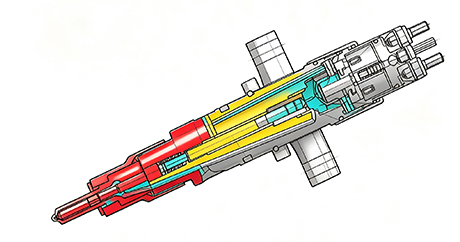
How to Diagnose and Repair Common Rail Injector Failures
In modern diesel engines, the common rail injection system operates under extreme pressure—often exceeding 2,000 bar. Because of these high-stress conditions, even microscopic particles in diesel fuel can cause severe wear to the common rail injector.
When an injector malfunctions, it directly impacts engine performance, leading to symptoms like rough idling, black smoke, increased fuel consumption, or a hard start. Understanding how to diagnose and repair these precision components is crucial for maintaining engine efficiency.
1. Common Symptoms of Injector Failure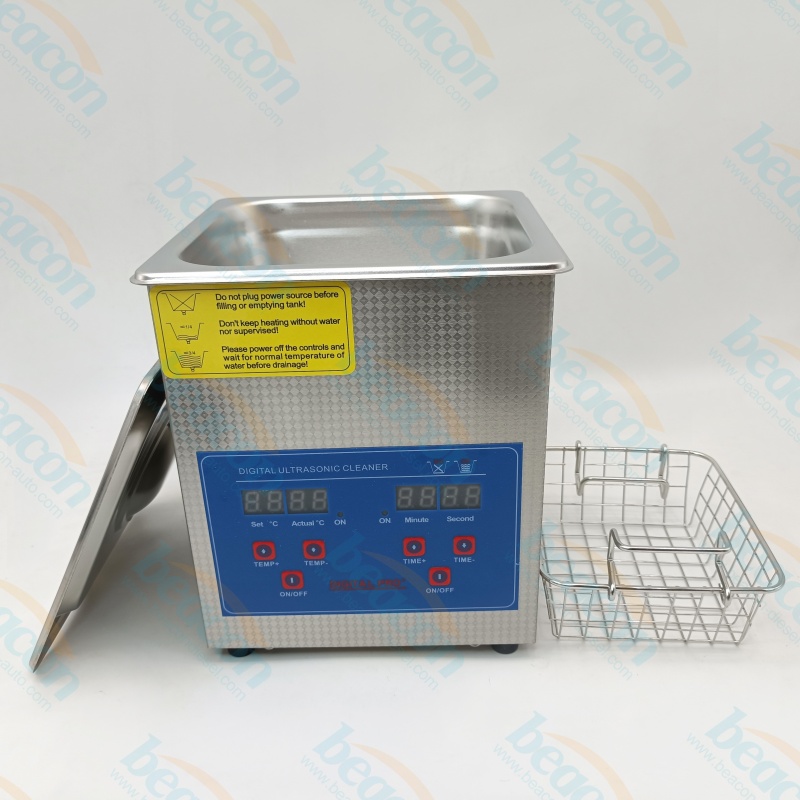
Before dismantling the engine, look for these key warning signs:
Engine Misfires or Rough Idling: Often caused by a clogged nozzle tip or a faulty solenoid valve that disrupts the fuel spray pattern.
Excessive Black Smoke: A sign of poor fuel atomization, meaning the fuel is not mixing correctly with air.
High Fuel Return Flow: Internal wear in the control valve allows too much fuel to return to the tank, dropping the rail pressure.
2. The Step-by-Step Testing and Repair Process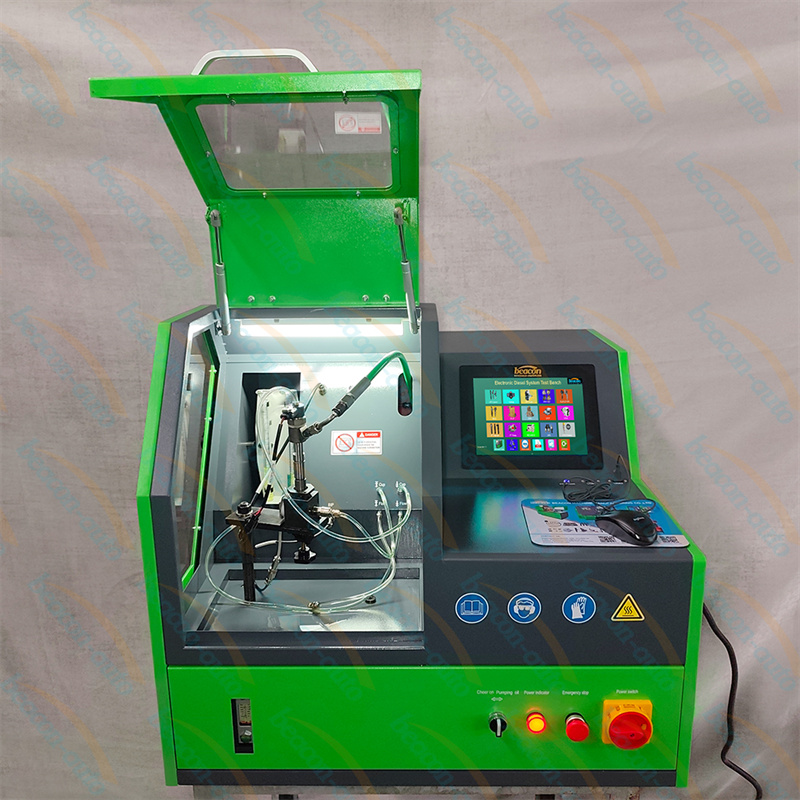
Professional repair requires a clean environment and specialized diagnostic equipment to prevent contamination.
Step 1: Ultrasonic Cleaning
Before testing, the disassembled injector parts must be placed in an ultrasonic cleaner to remove stubborn carbon deposits from the nozzle and body.
Step 2: Test Bench Analysis
Mount the injector onto a professional Common Rail Injector Test Bench. Run a full-cycle test to measure:
Full-load fuel injection volume
Idling delivery
Pre-injection characteristics
Fuel return volume (leakage test)
Step 3: Component Replacement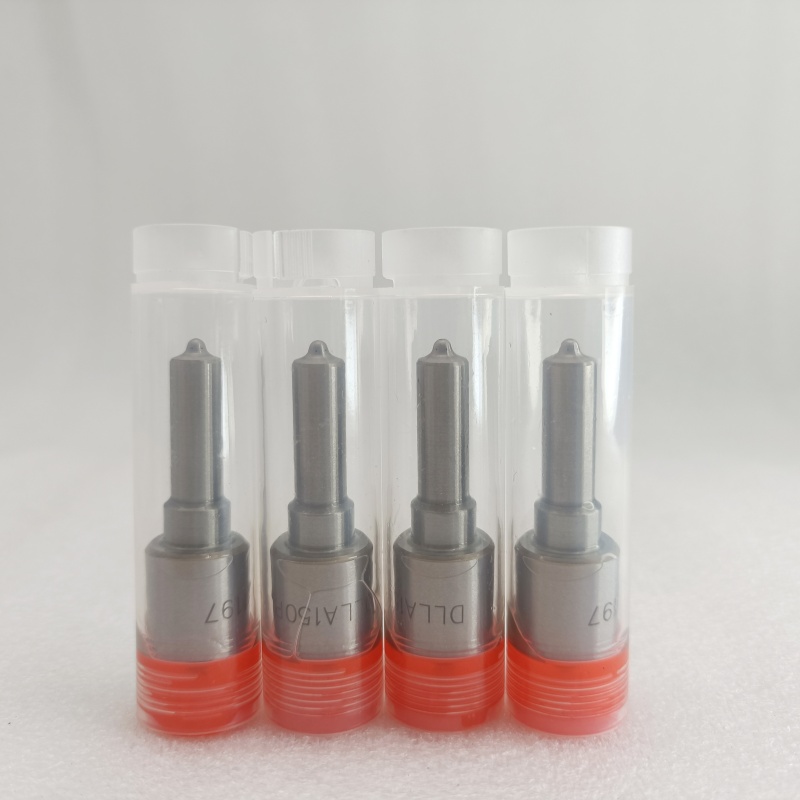
If the test bench indicates high return flow or poor atomization, disassemble the injector to replace the worn valve assembly (valve cap and spindle) or the nozzle tip.
Step 4: Calibration and Coding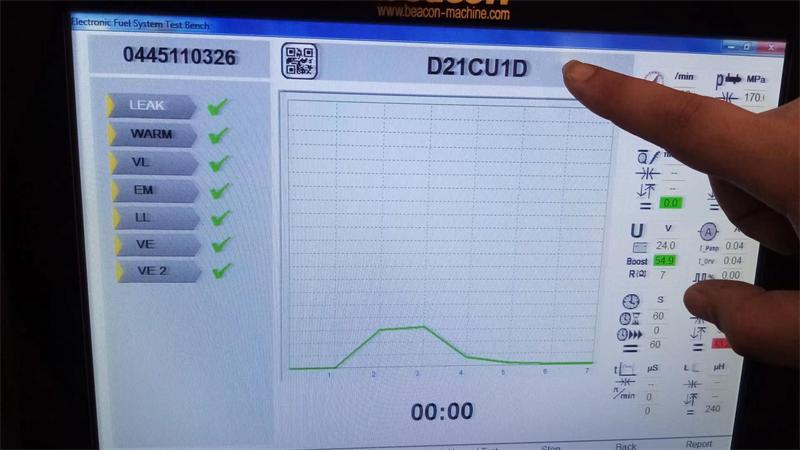
After reassembly, re-test the injector on the bench to generate a new IMA/QR calibration code. This code tells the engine ECU exactly how to compensate for tiny manufacturing tolerances.
Maintenance Tip: Always replace the copper crush washers and O-rings every time an injector is removed and reinstalled to prevent compression loss and external fuel leaks.
 Beacon Machine Manufacturing Co.,ltd.
 about beacon
PRODUCTS
contact us
TEL: 0086-18253885138
WhatsApp:+86-18253885138
Email: Janechen@beacon-machine.com
Add: High Tech Industry Zone of East Tai an city,Shandong Province,China